
Lenovo Business Laptop Linux Mint
4.6Editor score
Intel Core i5-1335U
Linux Mint Cinnamon Included
16GB DDR4 SDRAM
Discover the top 10 Laptops for Linux including Ubuntu and Mint options for developers and users seeking powerful open-source ready machines with detailed
Finding the right Laptops for Linux requires careful consideration of hardware compatibility and performance. Modern open-source distributions demand specific processor and graphics support to run smoothly without driver issues. This guide highlights models known for seamless integration with popular Linux environments.
We compared these products based on processor power, memory capacity, and display quality. Our analysis focuses on systems that support Ubuntu and Mint out of the box. Each entry offers unique benefits for coding, browsing, and daily multitasking tasks across different budgets.
Every pick showcases distinct advantages like long battery life or robust build quality. Keep in mind that availability and specific bundle contents may vary over time. Review the detailed specs below to find the system that matches your workflow needs best.
4.6Editor score

4.3Editor score
5.0Editor score
This section provides a side-by-side comparison of all ten selected Laptops for Linux to help you quickly identify the right fit.




This IdeaPad Slim 3 stands out as a top choice for Laptops for Linux with its pre-installed Ubuntu experience. It delivers robust security and a clean interface right out of the box for developers and students alike.
We may earn a commission when you buy through this link, at no additional cost to you.
The AMD Ryzen 7 5825U processor ensures smooth multitasking with 8 cores and 16 threads. You can run multiple IDEs and browsers without lag while the integrated Radeon graphics handle casual streaming well.
While it lacks discrete graphics for heavy gaming, the hardware compatibility is excellent for open-source workflows. The bundled stylus and portable SSD add significant value for creative tasks and external storage needs.
It is perfect for users needing a reliable Linux machine for work or study. The military-grade durability ensures it withstands daily travel and professional use effectively over time.
The system ships with Ubuntu Linux pre-installed ensuring you avoid driver headaches and configuration issues upon first boot.
Included accessories like the external SSD and USB hub extend connectivity and storage for demanding professional workflows.
We may earn a commission when you buy through this link, at no additional cost to you.
This business laptop offers an excellent entry point into the world of Laptops for Linux with a strong community rating. The Linux Mint Cinnamon environment provides a familiar interface for those transitioning from other operating systems.
We may earn a commission when you buy through this link, at no additional cost to you.
Powered by the Intel Core i5-1335U it handles everyday office tasks and web development with ease. The 16GB of RAM ensures that memory is not a bottleneck for running virtual machines or containers.
While the SSD capacity is modest the fast charging capability keeps you moving through workdays without worry. The full number pad is a welcome feature for data entry and financial modeling tasks.
It is an ideal choice for budget-conscious users needing a dependable Linux workstation. The anti-glare display makes it suitable for long hours of coding or reading in various lighting conditions.
You get a fully functional Linux Mint system without paying for Windows licenses or dealing with dual-boot complexities.
The latest Intel processor delivers good performance per watt ensuring efficient operation during extended use cases.
We may earn a commission when you buy through this link, at no additional cost to you.
This variant of the IdeaPad Slim 3 focuses on providing ample storage for users who manage large datasets or media files. The 1TB SSD ensures you have plenty of room for local projects and system backups.
We may earn a commission when you buy through this link, at no additional cost to you.
The AMD Ryzen 7 5825U continues to deliver solid performance for multitasking and development environments. It supports seamless hardware compatibility with Ubuntu making it easy to install additional software tools.
Having a touchscreen adds flexibility for interacting with UI elements and reviewing visual data. The inclusion of a stylus pen supports creative work and precise navigation on the display surface.
It is best suited for professionals needing more space than standard 512GB models offer. The bundle with external accessories provides a complete package for immediate productivity upon arrival.
A full terabyte of SSD space allows you to store large codebases and datasets without relying on cloud services.
The touchscreen and stylus support offer an alternative way to interact with Linux apps and diagrams.
We may earn a commission when you buy through this link, at no additional cost to you.
This HP laptop is designed for users who need extensive memory for virtualization and heavy compilation tasks. The 32GB of DDR4 RAM allows you to run multiple virtual machines simultaneously without slowdowns.
We may earn a commission when you buy through this link, at no additional cost to you.
The combination of a PCIe NVMe SSD and a large HDD provides a balance of speed and archival capacity. Linux Mint Cinnamon runs well on this hardware offering a stable environment for server testing.
The 17.3 inch display offers more screen real estate which is beneficial for coding with multiple windows open. However the older processor may limit performance compared to newer generations available today.
It is ideal for engineers who prioritize memory capacity over raw CPU speed. The hybrid storage ensures you can keep active projects on fast SSD while archiving older data on the HDD.
With 32GB of RAM you can comfortably run Docker containers and development servers side by side without performance hits.
The larger screen size improves ergonomics for long coding sessions by allowing more vertical space for code lines.
We may earn a commission when you buy through this link, at no additional cost to you.
This model emphasizes portability while maintaining the powerful performance needed for Linux development work. The slim chassis makes it easy to carry between meetings or coffee shops for remote work.
We may earn a commission when you buy through this link, at no additional cost to you.
The AMD Ryzen 7 5825U ensures that you do not sacrifice speed for mobility. It handles complex scripts and web development tools efficiently while keeping power consumption in check for battery life.
The touchscreen feature adds a layer of interaction that is rare in many Linux business laptops. It allows for intuitive navigation and selection especially when using touch-friendly web apps or browsers.
It is perfect for mobile professionals who need a reliable Linux machine on the go. The military-grade durability ensures that the laptop can survive the rigors of daily travel and handling.
The reduced weight and profile make it an ideal companion for frequent travelers and digital nomads.
The touch interface allows for quick gestures and selections improving workflow efficiency in supported applications.
We may earn a commission when you buy through this link, at no additional cost to you.
This compact laptop offers a low-cost entry point for those who might install a Linux distro later. While it ships with Windows the hardware is sufficient for basic tasks and web browsing.
We may earn a commission when you buy through this link, at no additional cost to you.
The Intel N150 processor with DDR5 RAM provides efficient performance for light productivity work. It is suitable for users who need a secondary machine or a device for simple note-taking tasks.
The 14 inch form factor makes it highly portable for students or casual users. You can easily slip it into a backpack and carry it around for hours without discomfort.
It is best for users looking for a basic device that can be customized with Linux tools if needed. The cloud storage inclusion helps offset the limited local drive capacity significantly.
Weighing less than many rivals this unit is easy to transport for daily commutes or travel.
DDR5 RAM offers better memory speeds and efficiency compared to older DDR4 standards in similar devices.
We may earn a commission when you buy through this link, at no additional cost to you.
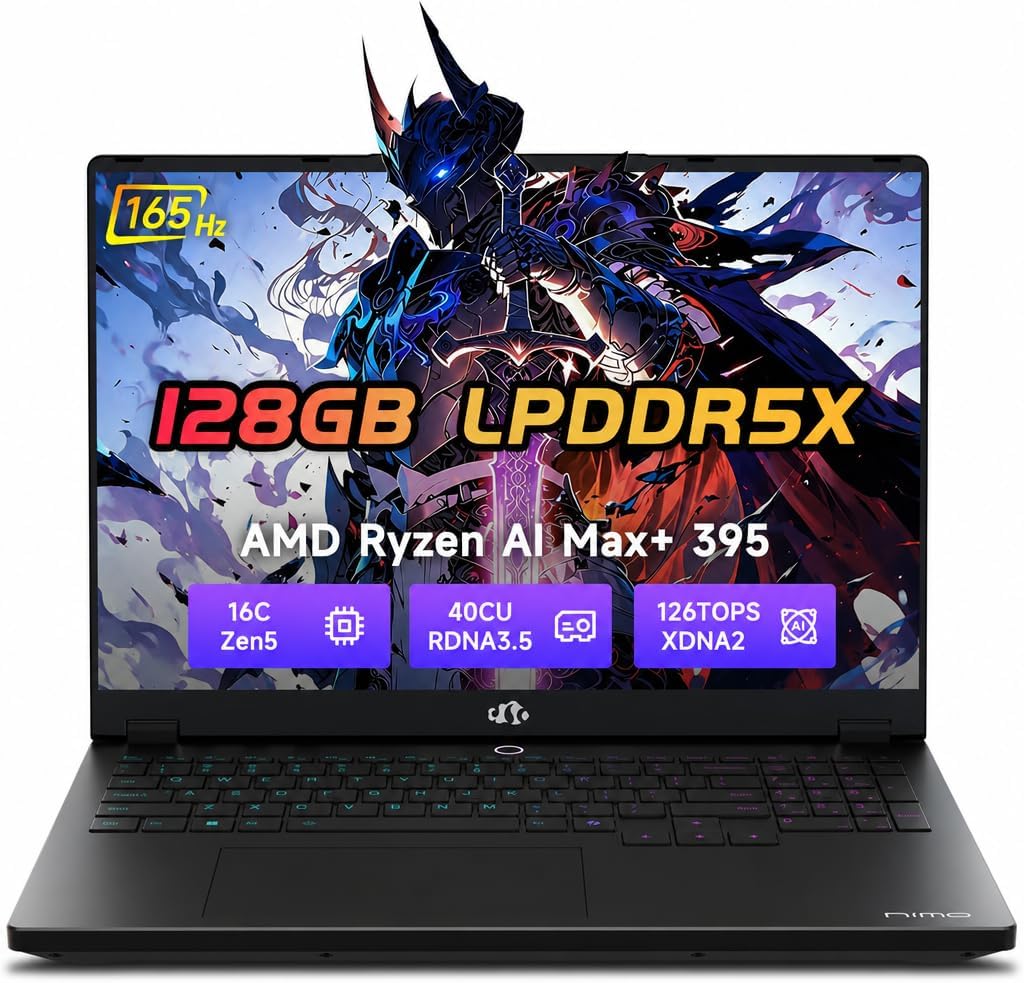
This powerhouse laptop is designed for developers who need to run large language models and complex simulations locally. The 128GB of RAM ensures you can handle massive datasets without running out of memory.
We may earn a commission when you buy through this link, at no additional cost to you.
The AMD Ryzen Max+ 395 processor provides exceptional processing power with high clock speeds for intensive tasks. It features discrete-level graphics capabilities which are rare in integrated Linux solutions today.
The pre-installed Linux OS simplifies setup for AI and engineering workflows. You can start training models or compiling code immediately without configuring a system environment first.
It is the ultimate choice for power users who need top-tier performance for Linux tasks. The 99Wh battery ensures long usage sessions while staying within aviation carry-on limits.
The massive RAM and local compute power allow for fine-tuning large language models without cloud dependencies.
The 2.5K 165Hz screen offers color accuracy and smooth motion for professional grading and visualization.
We may earn a commission when you buy through this link, at no additional cost to you.
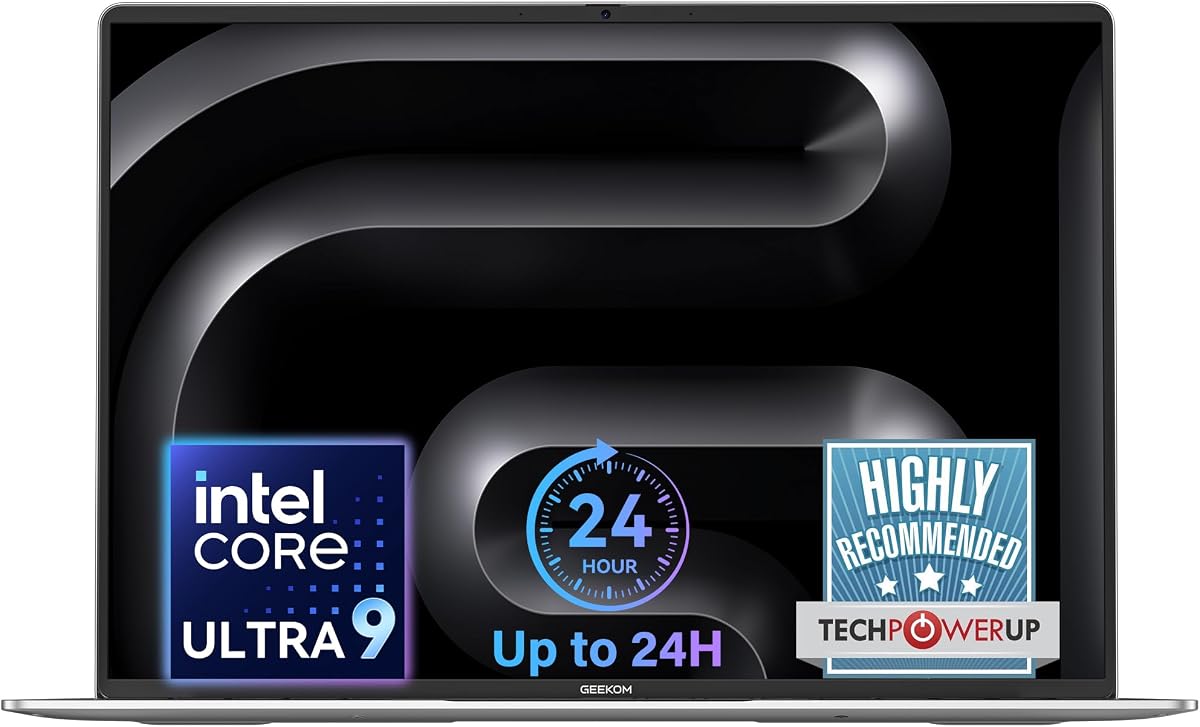
This laptop stands out for its incredible battery life and sustained power output for heavy workloads. It is perfect for users who need to work off-grid for long periods without access to a power outlet.
We may earn a commission when you buy through this link, at no additional cost to you.
The Intel Core Ultra 9 processor delivers powerful performance for video editing and AI tools. The cooling system ensures that the hardware maintains high speeds without throttling under load.
It supports multiple external displays making it a strong candidate for a Linux desktop replacement. The ports allow you to connect monitors and peripherals directly without extra dongles.
It is ideal for travelers and professionals who prioritize mobility and endurance. The long battery life ensures you can work on a long flight or remote site uninterrupted.
The 99.9Wh battery supports extended usage hours which is critical for travel and remote work scenarios.
High connectivity options and sustained power allow it to function as a stable workstation at home.
We may earn a commission when you buy through this link, at no additional cost to you.
This laptop provides a large IPS display that is excellent for reading code and viewing detailed diagrams. The 17.3 inch screen offers ample space for splitting windows and managing complex Linux interfaces.
We may earn a commission when you buy through this link, at no additional cost to you.
The AMD Ryzen 5 7430U offers efficient performance for business applications and web development tasks. It supports Wi-Fi 6 for fast and stable internet connections in crowded office environments.
The bright 300 nits panel ensures visibility in well-lit rooms or outdoor settings. The anti-glare coating reduces reflections making it easier to focus on content for hours.
It is suited for users who want a desktop replacement experience with a large screen. The build quality supports reliable daily use in professional settings and home offices.
The larger IPS panel improves readability and reduces eye strain during extended coding and documentation work.
Wi-Fi 6 ensures high throughput and low latency which is essential for cloud-based development and collaboration.
We may earn a commission when you buy through this link, at no additional cost to you.
This ThinkPad model comes with a vanilla Linux system which is ideal for advanced users who want a clean base. It offers a secure and customizable environment for server administration and coding tasks.
We may earn a commission when you buy through this link, at no additional cost to you.
The AMD Ryzen 5 PRO 7535U delivers strong performance for business applications and development tools. DDR5 RAM ensures high-speed data processing and responsive multitasking for daily operations.
Security features like fingerprint login and a backlit keyboard enhance usability in various lighting conditions. The chassis is built to withstand harsh environments and frequent travel.
It is the best option for enterprises needing reliable hardware with an open-source operating system. The stickers provided help transition the keyboard layout for English typing needs easily.
The system comes without bloatware allowing you to customize the OS to match your specific development stack.
Biometric security and durable build protect sensitive data and physical device integrity in professional settings.
We may earn a commission when you buy through this link, at no additional cost to you.
Selecting the right laptop for Linux involves checking hardware compatibility and specific processor support.
Ensure the CPU is compatible with Linux kernels to avoid driver conflicts. AMD and Intel x86_64 processors generally offer the widest support.
Look for newer generations to guarantee better performance and power efficiency for development tasks.
Modern distributions require at least 8GB of RAM but 16GB is recommended for development work. This allows you to run virtual machines without slowing down the system.
Higher capacity RAM ensures that multitasking with multiple terminals and IDEs remains smooth.
An SSD is essential for fast boot times and application launches. NVMe drives provide significantly higher speeds than SATA options.
Aim for at least 256GB to store OS files and source code locally without needing external drives.
A high-resolution screen helps you view more code lines at once. Look for IPS panels with anti-glare coatings for eye comfort.
Sharp text rendering is crucial for reading small fonts in terminal windows and editors.
Check that the laptop has enough USB ports for your peripherals. You might need multiple connectors for external hard drives and monitors.
USB-C and HDMI ports allow you to set up external displays easily for extended workflows.
Buying a machine with Linux pre-installed saves time on configuration. It ensures that drivers are already set up for your hardware.
If not pre-installed ensure the laptop is compatible with your preferred distribution to avoid installation hurdles.
Military-grade tested chassis protects against drops and vibrations during travel. This is vital for users who move between locations frequently.
Solid hinges and materials ensure the laptop survives daily use and heavy lifting.
Long battery life allows you to work off-grid during travel or meetings. Aim for models with substantial battery capacity for all-day use.
Fast charging capabilities help you regain power quickly if you need to leave the office unexpectedly.
Always keep your system updated to maintain security and performance. Regular updates fix vulnerabilities and improve driver compatibility.
Manage storage by clearing old files and cache periodically to prevent slowdowns. A clean file system ensures better system responsiveness.
Use the provided keyboard shortcuts to navigate the interface efficiently. Learning command-line tools enhances your productivity within the Linux environment.
Ubuntu is a popular choice due to its large community and support. Many developers also prefer Fedora or Arch for specific package availability.
Yes most modern hardware supports dual boot but be cautious with partitions. Linux often works best as the sole OS for performance.
Several models ship with Ubuntu or Mint pre-installed. Others may run Windows but can be configured for Linux later.
16GB is recommended for running IDEs and virtual machines. 8GB works for basic web development but may lag with many tabs.
Models with powerful processors and discrete graphics are best for editing. Integrated graphics handle basic tasks but heavy rendering may struggle.
Linux usually updates drivers automatically via package managers. Check the hardware manufacturer site for any proprietary firmware updates.
We have reviewed ten top options ranging from budget picks to premium workstations. Each provides unique benefits for developers and open-source enthusiasts.
Prioritize processor performance and RAM size for your specific workflow needs. Compatibility with your preferred distro is also critical for success.
Remember to verify current availability and specs before purchasing your new device. Prices and bundles can change frequently based on stock and promotions.