
10-Port 2.5G PoE++ Switch, Layer 3 Managed Enterprise Network Switch
4.6Editor score
2.5G RJ45 Ports
90W PoE++ Delivery
Static Routing Support
This guide compares the top 10 Layer 3 Network Switch models for performance and features to help you choose the right managed networking solution.
Layer 3 Network Switches provide advanced routing capabilities that go beyond simple data forwarding. These devices enable efficient traffic management across multiple subnets and ensure high performance for complex networks.
We evaluated ten top models based on port speed, routing features, build quality, and ease of management. Our analysis covers options for home labs, small offices, and large enterprise deployments.
Each pick highlights key strengths and ideal use cases for different networking needs. Note that product specifications and availability may change, so verify details before making your final purchasing decision.
4.6Editor score

4.7Editor score

4.3Editor score
The following table provides a side-by-side comparison of all ten selected Layer 3 Network Switch models. Review the key specifications and features to identify which device aligns best with your networking requirements.
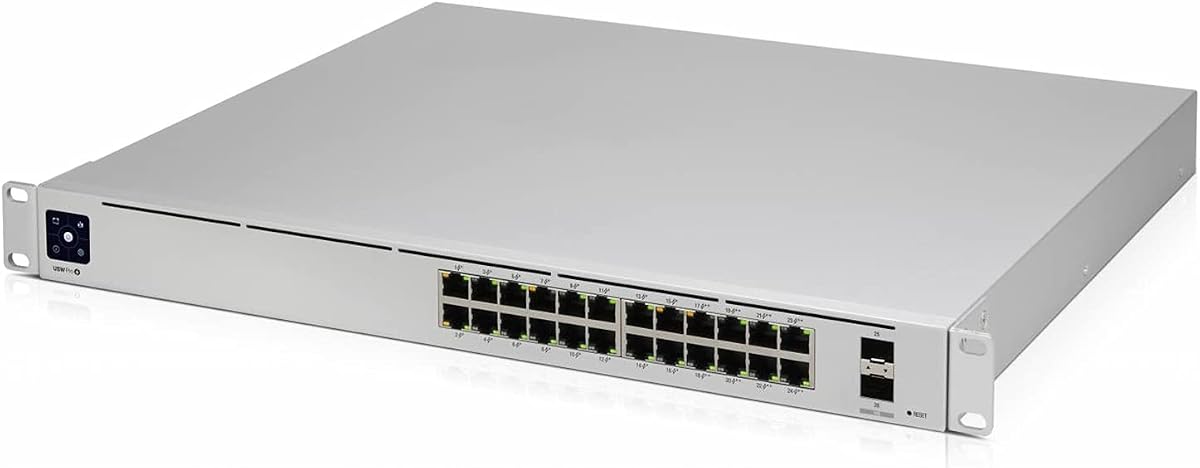



This Ubiquiti model stands out as a top-tier choice for users needing reliable Layer 3 connectivity. With a strong 4.7 rating, it delivers robust performance for professional networking environments.
We may earn a commission when you buy through this link, at no additional cost to you.
It provides efficient connectivity to ensure maximum feasibility across your network segments. The inclusion of 24 ports allows for extensive device connection while maintaining high-speed data transfer capabilities.
While the price is higher than some alternatives, the reliability and integration with the UniFi ecosystem justify the investment. The built-in features streamline complex network management tasks effectively.
If you are building a scalable professional network, this switch is an excellent choice. It balances performance, manageability, and power delivery to meet demanding business needs.
The switch works effortlessly with other UniFi hardware for a unified management experience.
PoE support ensures connected devices like access points receive power without extra adapters.
We may earn a commission when you buy through this link, at no additional cost to you.
The MokerLink switch offers exceptional speed with 8 x 10Gbps ports that adapt to various data rates. It is a powerful choice for high-performance networking needs.
We may earn a commission when you buy through this link, at no additional cost to you.
Supporting both Web and CLI management, it allows for detailed configuration of Layer 3 routes and Layer 2 switching features. Security protocols like AAA and DoS anti-attack enhance network safety significantly.
Maintenance is straightforward with clear LED indicators and remote management support. The metal case ensures durability and heat dissipation in demanding environments.
Ideal for users needing raw speed and flexibility, this switch provides enterprise features in a desktop form factor. Verify compatibility with your transceivers for optimal performance.
Built-in protection against attacks ensures your network remains secure against malicious traffic.
Ports adapt to match connected device speeds for optimal performance and compatibility.
We may earn a commission when you buy through this link, at no additional cost to you.
This Layer 3 Switch provides reliable, efficient connectivity for standard data networks. It is a solid choice if you do not need Power over Ethernet capabilities.
We may earn a commission when you buy through this link, at no additional cost to you.
With 24 GbE ports, it connects devices with ease and supports up to 10x faster server connectivity. Optical fiber media support ensures flexibility for long-distance connections.
The built-in power supply simplifies installation by reducing external dependency. Rack mounting enables secure and organized wire management for professional setups.
Best for environments where data only needs are critical, this model balances performance with cost. It works well as a core or distribution switch in larger networks.
Supports optical media for efficient and reliable connectivity over longer distances.
Layer 3 switching features improve routing efficiency and network segmentation.
We may earn a commission when you buy through this link, at no additional cost to you.
Priced affordably, this switch offers future-proof 2.5G ports and robust PoE++ capabilities. It delivers enterprise-grade features at a budget-friendly price point.
We may earn a commission when you buy through this link, at no additional cost to you.
Equipped with 10G SFP+ slots and 8 x 2.5G RJ45 ports, it handles high-speed NAS and server connections. The PoE++ ports provide up to 90W for power-hungry devices like Wi-Fi 7 APs.
Management is flexible with a physical console port, CLI, and user-friendly Web UI. Static Routing and OSPF v2 allow precise control over network traffic and segmentation.
This is an ideal choice for tech enthusiasts and small businesses needing modern speeds without breaking the bank. The included rack-mount ears support versatile installation options.
90W PoE++ delivery supports next-gen access points and PTZ cameras effectively.
Premium full-metal casing ensures superior heat dissipation and structural durability.
We may earn a commission when you buy through this link, at no additional cost to you.
This MikroTik model offers optimal results for networking tasks requiring Layer 3 functionality. It provides a compact 1U design suitable for standard rack installations.
We may earn a commission when you buy through this link, at no additional cost to you.
Built with quality material, it ensures durability and consistent performance. The 10G Ethernet support allows for fast data transfer across connected devices.
While setup may require some familiarity with MikroTik tools, the ease of use is generally praised. It is a reliable option for network engineers looking for flexibility.
Consider this switch for professional environments needing high-speed connectivity. Ensure you have the necessary technical expertise to maximize its features.
1U white rack unit fits easily into standard server racks and cabinets.
Constructed with quality material to ensure longevity and stable operation.
We may earn a commission when you buy through this link, at no additional cost to you.
This switch supports L3 Ethernet networking with a managed interface for precise control. Its 1U grey design fits neatly into professional network racks.
We may earn a commission when you buy through this link, at no additional cost to you.
Featuring a RJ45 Console port, it simplifies direct configuration and troubleshooting. The mounting grid ensures stable installation within standard equipment enclosures.
Network standards like IEEE 802.1Q ensure compatibility with various devices. While the design is simple, the functionality is robust for enterprise needs.
Ideal for users needing a reliable L3 switch with standard mounting features. Verify your configuration requirements before purchase to ensure a smooth setup.
Complies with IEEE 802.1Q standards for reliable network interoperability.
RJ45 Console port allows for direct and easy device configuration.
We may earn a commission when you buy through this link, at no additional cost to you.
With 48 Gigabit ports, this model offers significant port density for large deployments. It combines Layer 2 and Layer 3 features for versatile network management.
We may earn a commission when you buy through this link, at no additional cost to you.
The 1.3 touchscreen display provides visual status updates directly on the device. UniFi SmartPower RPS ensures reliable power input and system stability.
SFP+ ports allow for high-speed uplinks to connect to core routers or storage. The large size requires adequate space in your network cabinet.
Best for larger offices needing many connections and modern management tools. While the rating is lower, the capacity fits specific scaling requirements well.
48 RJ45 ports allow connection of numerous devices without additional hardware.
Touchscreen display offers immediate access to switch status and info.
We may earn a commission when you buy through this link, at no additional cost to you.
This switch offers fanless silent operation ideal for quiet offices or bedrooms. With 8 x 10Gbps SFP+ ports, it delivers high speed without noise interference.
We may earn a commission when you buy through this link, at no additional cost to you.
Advanced Layer 3 routing supports Static Routing and OSPF v2. It handles inter-VLAN routing internally to reduce load on your primary router.
The compact, rugged design supports flexible desktop or wall-mount installation. Secure features like DAI/ACLs block internal network spoofing effectively.
Perfect for noise-sensitive environments needing high performance. Ensure your modules match the active mode to avoid connection issues.
Fanless design ensures completely silent operation for quiet spaces.
Compact design supports flexible desktop or wall-mount installation options.
We may earn a commission when you buy through this link, at no additional cost to you.
Part of the Pro Max series, this switch delivers 2.5G and 1G managed performance. It provides a modern solution for efficient network management.
We may earn a commission when you buy through this link, at no additional cost to you.
With 16 ports, it handles a moderate number of devices effectively. The managed features allow for traffic segmentation and security protocols.
Ubiquiti's reputation ensures reliable performance and support for users. The design aligns with other UniFi equipment for consistent aesthetics.
Consider this for homes or offices upgrading to 2.5G speeds. Check specific feature sets before buying to match your requirements.
The Pro Max series ensures modern and reliable managed networking.
Supports 2.5G and 1G speeds for flexible data transfer.
We may earn a commission when you buy through this link, at no additional cost to you.
This model combines Layer 3 routing with advanced PoE++ capabilities for premium performance. It features Etherlighting ports that illuminate to indicate status.
We may earn a commission when you buy through this link, at no additional cost to you.
With 180W total PoE availability, it supports power-hungry devices and Wi-Fi 7 access points. The silent, fanless cooling system ensures noise-free operation.
Two 10G SFP+ ports enable high-speed uplinks. Versatile desktop, wall, and rack mounting options offer installation flexibility.
Best for premium setups needing visual status indicators and silent operation. The investment justifies the advanced features and build quality.
Ports illuminate to show port location, speed, and VLAN status visually.
Fanless cooling ensures completely silent performance in any environment.
We may earn a commission when you buy through this link, at no additional cost to you.
Selecting the right Layer 3 Network Switch requires understanding specific features and networking requirements. This guide outlines key factors to consider for an informed purchase.
Evaluate the speeds of available ports such as 1G, 2.5G, or 10G. Ensure the total switching capacity can handle your peak traffic without bottlenecks.
Choose a switch that supports speeds required by your most demanding devices.
Layer 3 support enables routing between VLANs and subnets efficiently. Look for protocols like OSPF, static routing, and DHCP services to reduce router load.
Prioritize switches with comprehensive routing features if you manage segmented networks.
If you power devices like APs or cameras, check PoE wattage and standards. PoE++ or higher budgets support modern high-power hardware effectively.
Ensure the total budget covers all connected devices without overloading the unit.
Decide between Web UI, CLI, or mobile app management based on your expertise. Some models offer consoles for direct hardware control and advanced configuration.
A user-friendly interface simplifies daily monitoring and troubleshooting tasks significantly.
Security protocols such as ACLs, port security, and DoS protection safeguard your data. Ensure the switch supports features like dynamic ARP inspection for network integrity.
Robust security settings are essential for preventing unauthorized access and attacks.
Consider the unit's size, noise level, and cooling mechanism. Fanless models are quieter but may struggle in high-heat environments compared to active fans.
Select a design that fits your rack or desktop setup comfortably and silently.
Check if the switch supports future upgrades or SFP+ modules. Buying a scalable unit now prevents needing a replacement as your network grows.
Invest in models with extra ports or higher capacity than you need today.
Choose reputable brands known for firmware updates and technical support. A solid warranty protects your investment against hardware defects and failures.
Research community support availability to help resolve complex configuration issues quickly.
Start by connecting your router to the switch using a high-speed cable. Configure the switch IP address and log in via the web interface or console port.
Set up VLANs and routing rules based on your network needs. Enable security features to protect against unauthorized access and potential threats.
Keep the firmware updated regularly and monitor port statuses. Ensure proper ventilation to prevent overheating during continuous operation.
A Layer 3 Network Switch performs routing functions between different subnets or VLANs. It directs data based on IP addresses rather than just MAC addresses.
You need one if you manage multiple subnets or want to offload routing from your main router. Small homes might not require this level of management.
Access the CLI or Web UI to enable routing protocols. Define static routes or dynamic OSPF configurations to connect different network segments.
PoE delivers power over data cables to connected devices. This simplifies installations by eliminating the need for extra power adapters.
Yes, many users apply Layer 3 switches for home labs or advanced setups. They help in segregating guest traffic from secure home devices.
A console port allows direct access for configuration without network connectivity. It is useful for initial setup and recovery when network access fails.
We have reviewed ten top Layer 3 Network Switch models offering various speeds and management options. The UBIQUITI UNIFI USW-PRO-24-POE stands out for its ecosystem integration.
Prioritize features like port speed, PoE needs, and security capabilities based on your specific use case. Selecting the right balance ensures your network runs efficiently.
Always check current availability and specifications before purchasing. Technology evolves quickly so ensure the model you choose meets your current and future needs.