
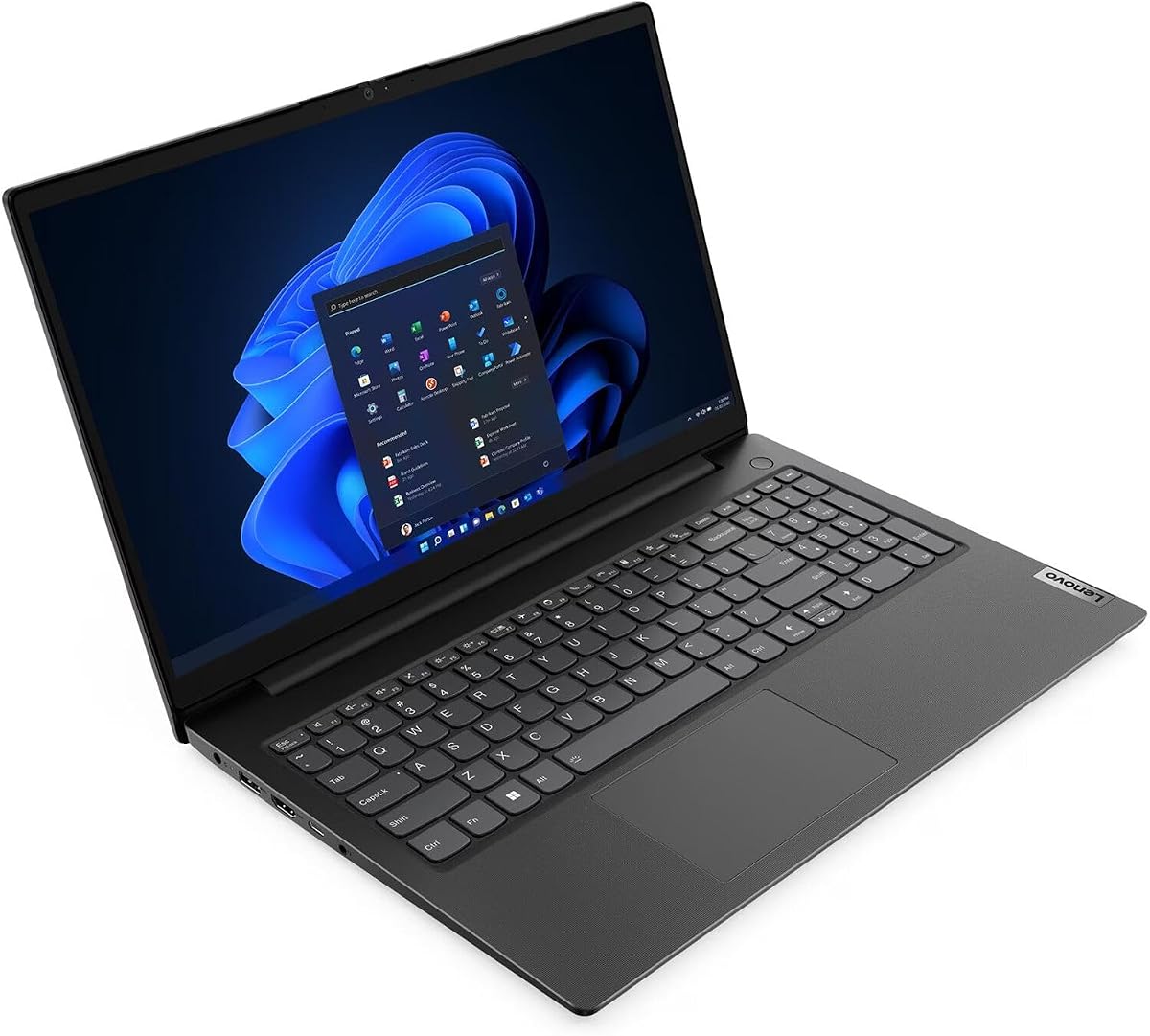
Lenovo Business Laptop Linux Mint
4.6Editor score
Intel Core i5-1335U
16GB RAM and 256GB SSD
15.6 FHD Display
Discover the top Linux laptops for developers and professionals. This guide compares performance, hardware compatibility, and user experience for your next
Linux laptops offer a powerful alternative for developers and privacy-focused users seeking control over their computing environment. They provide robust security features and open-source flexibility without compromising on hardware quality or daily usability needs.
We compared ten leading models based on processor power, memory capacity, display quality, and operating system integration. Each selection was evaluated for real-world performance in coding, multitasking, and long-term reliability across various professional workflows.
Each pick highlights specific strengths like rugged durability, premium display quality, or budget-friendly value. Please note that availability and pricing can change frequently, so verify current details before making your final purchasing decision today.
4.6Editor score

5.0Editor score
5.0Editor score
This side-by-side comparison highlights the key specifications and unique features of each selected Linux laptop to help you find the right match for your technical requirements.


This premium ultrabook stands out as the top choice for professionals seeking a reliable Linux experience. It combines a robust Intel Core i7 processor with sufficient memory for demanding daily tasks seamlessly.
We may earn a commission when you buy through this link, at no additional cost to you.
The device delivers exceptional performance thanks to its quad-core architecture and fast NVMe storage. Users benefit from a crisp IPS display and a comfortable keyboard that supports long coding sessions.
While the port selection is modest, the inclusion of USB-C and HDMI covers most essential connectivity needs. The lightweight design ensures portability without sacrificing build quality or durability over time.
Ideal for developers and business users, this model offers a polished, efficient workflow. Its combination of speed, security, and style makes it the definitive recommendation for Linux laptop buyers.
Hardware-level Trusted Platform Module ensures data protection against unauthorized access and cyber threats effectively.
The full aluminum chassis provides durability and a sleek aesthetic that withstands daily professional use.
We may earn a commission when you buy through this link, at no additional cost to you.
This model offers incredible value by pairing a modern 13th gen Intel processor with ample RAM for smooth multitasking. It serves as an accessible entry point for users new to Linux environments.
We may earn a commission when you buy through this link, at no additional cost to you.
The 16GB of memory ensures that even heavy browser usage or virtual machines run without lag. Fast charging technology keeps you productive throughout the day with minimal downtime for power replenishment.
While the wireless connectivity relies on older AC standards, this rarely impacts general web performance. The webcam is functional but not exceptional, fitting its primary role as a budget-friendly workhorse.
Buyers seeking high performance without a premium price tag will appreciate this balanced configuration. It proves that cost-effective laptops can still deliver a modern and capable Linux experience.
The 13th gen architecture delivers faster task completion and better power management than previous generations.
A 15.6 inch Full HD screen provides ample workspace for coding and document editing tasks.
We may earn a commission when you buy through this link, at no additional cost to you.
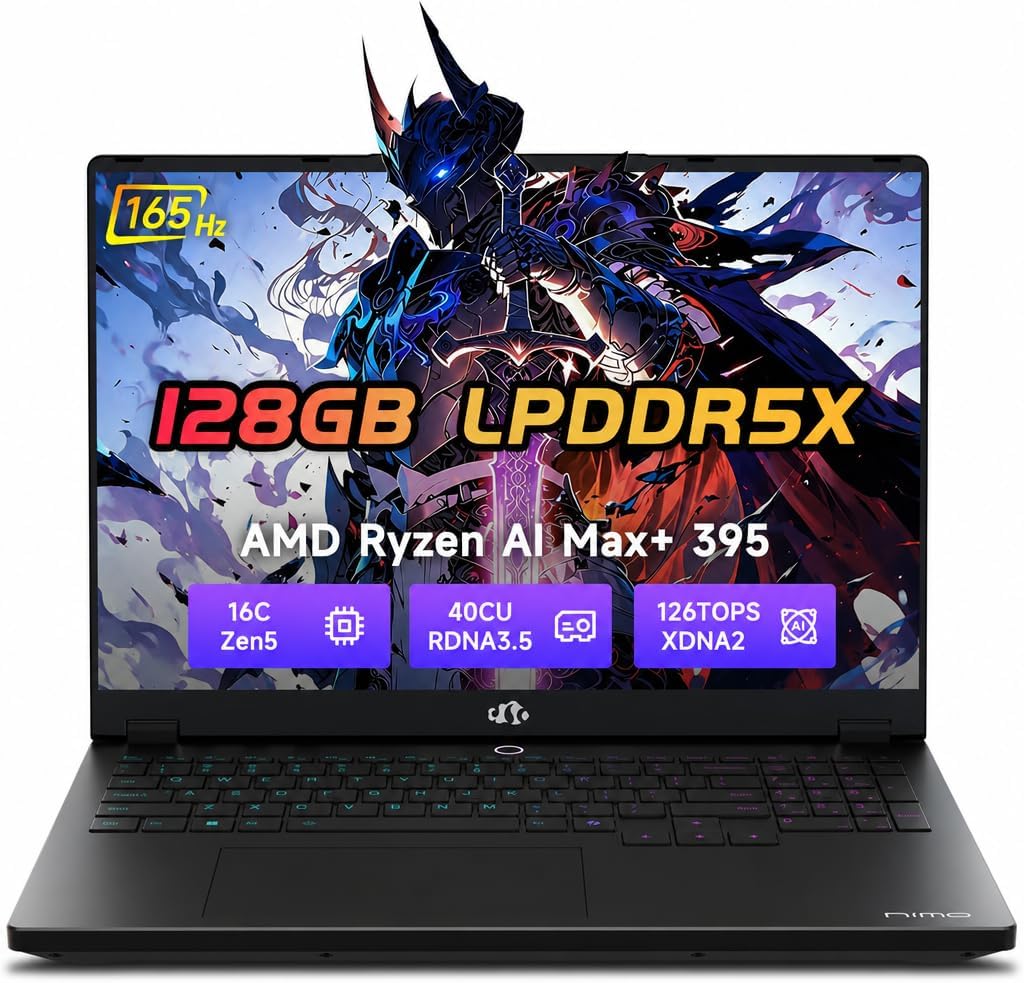
This powerhouse redefines what a Linux laptop can achieve with its staggering amount of memory and storage. It is engineered for users who need to run local AI models or extensive compilation tasks.
We may earn a commission when you buy through this link, at no additional cost to you.
The massive 128GB of RAM allows for running multiple virtual machines and complex datasets simultaneously without bottlenecks. The 4TB SSD ensures all your projects and libraries fit locally for faster access.
While the price reflects its high-end specifications, the performance justifies the cost for professionals in AI or data science. The flight-ready battery capacity is a unique feature for traveling researchers.
If you need raw power and storage flexibility that desktop replacements often lack, this is the ultimate choice. It brings desktop-grade capabilities into a portable form factor optimized for Linux workflows.
Built-in AI cores support local training of large language models without requiring cloud subscriptions.
A robust cooling system with triple fans maintains peak performance during extended high-load sessions.
We may earn a commission when you buy through this link, at no additional cost to you.
This IdeaPad brings a modern touch interface to Linux users who prefer direct interaction with their workspace. It combines solid AMD Ryzen performance with a versatile screen for creative and practical tasks.
We may earn a commission when you buy through this link, at no additional cost to you.
The eight-core processor handles demanding applications effortlessly while the 1TB drive provides plenty of space for media and documents. The inclusion of a stylus pen adds utility for note-taking and annotation.
Military-grade durability ensures the chassis can withstand bumps and drops during travel. While the bundled accessories are useful, they may add bulk to an otherwise slim and lightweight laptop body.
Students and creators will benefit from the intuitive touch experience and robust hardware configuration. It is a well-rounded option for those who need flexibility in their daily Linux workflow.
Rugged construction protects internal components from physical stress and environmental factors effectively.
Low blue light certification helps reduce eye strain during prolonged reading or coding sessions.
We may earn a commission when you buy through this link, at no additional cost to you.
Similar to the touchscreen variant this model focuses on delivering a clean Ubuntu Linux experience. It provides reliable performance through a high-performance AMD processor suitable for various computing tasks.
We may earn a commission when you buy through this link, at no additional cost to you.
Users can enjoy a responsive touch interface that enhances navigation and productivity. The streamlined design keeps the device easy to carry while maintaining strong connectivity options for peripherals.
Hardware compatibility is generally seamless with the open-source kernel drivers supporting most components out of the box. Some users might find the trackpad settings require adjustment to suit personal preferences.
For those prioritizing simplicity and direct input methods, this laptop offers a balanced solution. It remains a solid contender for students and professionals needing mobility and ease of use.
Ubuntu offers access to thousands of open-source applications for development and daily productivity.
The full HD panel ensures text and images appear sharp and detailed for all content.
We may earn a commission when you buy through this link, at no additional cost to you.
This rugged laptop is built for environments where standard machines fail under stress or harsh weather conditions. It features a magnesium alloy chassis that meets strict military durability standards for reliability.
We may earn a commission when you buy through this link, at no additional cost to you.
The display offers exceptional brightness ensuring visibility even in direct sunlight or outdoor work zones. Legacy serial ports allow direct connection to industrial machinery and tools without needing extra adapters.
Although the processor is older, it remains sufficient for critical field tasks and diagnostics. The integrated LTE module keeps you connected even in remote areas without Wi-Fi infrastructure nearby.
Field workers and industrial engineers will find this model invaluable for maintaining operations anywhere. Its focus on resilience and specialized connectivity makes it unique among modern portable computers.
Integrated LTE allows reliable internet access in remote locations without relying on hotspots.
Sunlight readable display technology ensures screens remain clear under intense ambient lighting.
We may earn a commission when you buy through this link, at no additional cost to you.
This model brings modern enterprise features to Linux users with its fast DDR5 memory and professional security tools. The hardware is designed to meet strict corporate standards for reliability and maintenance.
We may earn a commission when you buy through this link, at no additional cost to you.
The fingerprint reader adds a layer of security convenient for logging into systems quickly and safely. Modern ports like USB4 ensure high-speed data transfer and external display connectivity for dual monitors.
While the physical keyboard is French the English stickers allow for immediate usability in English-speaking regions. This customization ensures accessibility without compromising the underlying robust industrial design of the device.
Enterprise clients and corporate developers will appreciate the security and speed offered by this unit. It represents a solid bridge between traditional business hardware and open-source software environments.
DDR5 technology provides faster data throughput than previous generations for smoother multitasking.
Biometric authentication protects user data with a dedicated fingerprint sensor for quick access.
We may earn a commission when you buy through this link, at no additional cost to you.
This business ultrabook delivers a premium look and feel with its aluminum construction and refined design. It includes essential features for secure and productive work sessions in corporate or home settings.
We may earn a commission when you buy through this link, at no additional cost to you.
The backlit keyboard supports comfortable typing in dimly lit environments. Dolby audio enhances media consumption making it suitable for virtual meetings or entertainment during downtime.
Privacy features like the camera shutter give users control over when their image is visible. The solid state drive ensures quick boot times and responsive application launches for daily tasks.
Professionals prioritizing portability and presentation will find this model highly effective. Its focus on user experience and hardware quality makes it a reliable companion for business travel.
Physical webcam shutters prevent unauthorized surveillance and protect user privacy effectively.
Integrated Harman speakers deliver clear and immersive sound for calls and media.
We may earn a commission when you buy through this link, at no additional cost to you.
This configuration focuses on providing significant memory and storage for data-heavy workflows. It uses a traditional hard disk drive which allows for large capacity at a lower cost per gigabyte.
We may earn a commission when you buy through this link, at no additional cost to you.
The 20GB of RAM supports multitasking well ensuring applications run smoothly without memory constraints. A full number pad facilitates quick data entry tasks common in financial or administrative work.
While the hard drive is slower than solid state options it remains sufficient for archival storage and general use. The display resolution is standard which fits budget-conscious business environments prioritizing utility.
Organizations needing high capacity storage and memory on a budget will find this model useful. It offers a practical solution for stationary workstations where speed is less critical than capacity.
Large hard drive space accommodates vast files and archives without immediate upgrades.
Ample RAM ensures multiple applications can run simultaneously without system slowdowns.
We may earn a commission when you buy through this link, at no additional cost to you.
This variant prioritizes multitasking power by offering a significant amount of RAM for complex workflows. The large SSD capacity ensures all tools and documents are stored locally for quick access.
We may earn a commission when you buy through this link, at no additional cost to you.
Users handling multiple virtual machines or large datasets will appreciate the additional memory headroom. The backlit keyboard and aluminum body maintain the premium quality expected from business ultrabooks.
While the processor is from an earlier generation the high memory count compensates for many productivity tasks. Integrated graphics are sufficient for standard display needs and media playback efficiently.
Power users requiring robust memory resources in a portable device will find this model compelling. It balances memory and storage effectively to support demanding daily professional requirements.
32GB of RAM allows for running heavy development environments and containers smoothly.
Solid state drive ensures rapid file access and system responsiveness during work sessions.
We may earn a commission when you buy through this link, at no additional cost to you.
Selecting the right Linux laptop requires understanding how hardware compatibility and system resources influence your workflow efficiency.
Choose a processor with multiple cores and threads to handle compiling code, running virtual machines, or heavy multitasking. Modern chips from Intel or AMD offer significant improvements in speed and power management compared to older generations.
Prioritize CPUs that match your specific workload needs to ensure smooth performance without unnecessary costs.
At least 16GB of RAM is recommended for modern development and productivity tasks. Solid state drives are essential for fast boot times and quick access to applications and files.
Balance capacity with speed by selecting SSDs that offer reliable read write speeds for your specific needs.
A high resolution screen reduces eye strain and provides more workspace for code or documents. Look for IPS panels that offer wide viewing angles and accurate colors for creative work.
Opt for displays with blue light filters if you spend long hours working to maintain eye health.
Verify that the Wi-Fi card, audio hardware, and graphics drivers are well supported in the Linux kernel. Some manufacturers provide explicit Linux support which simplifies setup and maintenance.
Check community forums to confirm that the model works seamlessly with your preferred distribution.
Consider the weight and size if you plan to carry the laptop daily. Ultrabooks offer a good balance between screen real estate and ease of transport in a bag.
Ensure the battery life meets your commute or travel requirements for uninterrupted work sessions.
Since you will likely spend hours typing code or text the keyboard should feel comfortable and responsive. Backlit keys are helpful for working in low light environments.
Test the key travel and spacing if possible to ensure it suits your typing style.
Look for chassis materials like aluminum or magnesium alloy that resist wear and tear. Rugged models are available for field work where exposure to elements is common.
Durability ensures your investment lasts longer and remains reliable over years of daily use.
Choose between a pre-installed distribution like Ubuntu or Mint or install your own. Pre-installed systems save time and ensure hardware drivers are correctly configured.
Verify that the vendor offers support for the specific OS version you intend to use.
Keep your system updated regularly to ensure security patches and new features are applied automatically. Most distributions offer built-in tools to manage updates easily without technical expertise.
Use a cooling pad if you perform heavy tasks like rendering or compilation to prevent overheating and maintain performance. Ensuring proper airflow extends the life of internal components.
Clean the keyboard and screen with a microfiber cloth to prevent dust buildup. Avoid using harsh chemicals on the display as they can damage the coating.
Most modern laptops work well but you should check Wi-Fi and graphics compatibility. Some hardware like specific fingerprint scanners may lack open-source drivers.
Yes Linux is considered very secure due to its architecture and permission models. It is widely used by enterprises and developers for sensitive tasks.
You can use compatibility layers like Wine or virtual machines to run many Windows apps. However native Linux alternatives are often better for performance.
Ubuntu and Linux Mint are excellent choices for beginners due to user-friendly interfaces. They offer large communities and extensive documentation.
16GB is recommended for smooth performance with multiple apps. 8GB may suffice for basic web browsing and light tasks.
Yes but you must verify NVIDIA driver support. Newer AMD GPUs usually have better open-source support out of the box.
Lightweight distributions like Xubuntu can revive older hardware. It uses fewer resources than Windows making it great for recycling devices.
With regular updates Linux laptops can last five years or more. Proper maintenance of the SSD and battery also extends usability.
We recommend the Lenovo Thinkbook 13s for most professionals seeking a balanced high-quality machine. For budget buyers the Business Laptop offers surprising performance for the price.
Prioritize memory and processor speed based on whether you need virtualization or just general office work. Ensure the display and keyboard meet your ergonomic standards.
Always check the latest pricing and availability before purchasing to get the best deal. These models provide a stable foundation for exploring the open-source ecosystem.