
Canon EOS R50 Mirrorless Camera
4.5Editor score
High image quality 4K
Advanced auto focus system
Fluid video capture options
Compare the top 10 best camera for dental photography in 2026 including intraoral systems DSLRs and accessories for clear clinical images and patient trust.
Finding the right camera for dental photography is essential for capturing clear images that help patients understand their treatment needs. Whether you need an intraoral device or a DSLR with macro capabilities the goal remains consistent. High quality visuals improve case acceptance rates and support accurate diagnostics in any modern dental practice environment.
We compared ten leading products based on image clarity ease of use software compatibility and overall value. Our selection includes dedicated intraoral cameras versatile DSLRs and lighting kits designed specifically for clinical workflows. Each option was evaluated on its ability to deliver sharp well-illuminated photos that integrate seamlessly with common dental imaging software suites.
Each pick shows specific strengths whether you prioritize speed resolution or budget friendly entry points. Prices and availability change frequently so verify current details before purchasing. This guide helps you choose the best camera for dental photography by highlighting key features pros and cons from real product data.
4.5Editor score
4.4Editor score

4.5Editor score
This side-by-side comparison highlights the key specifications and capabilities of each selected product to help you make an informed decision for your clinical needs.


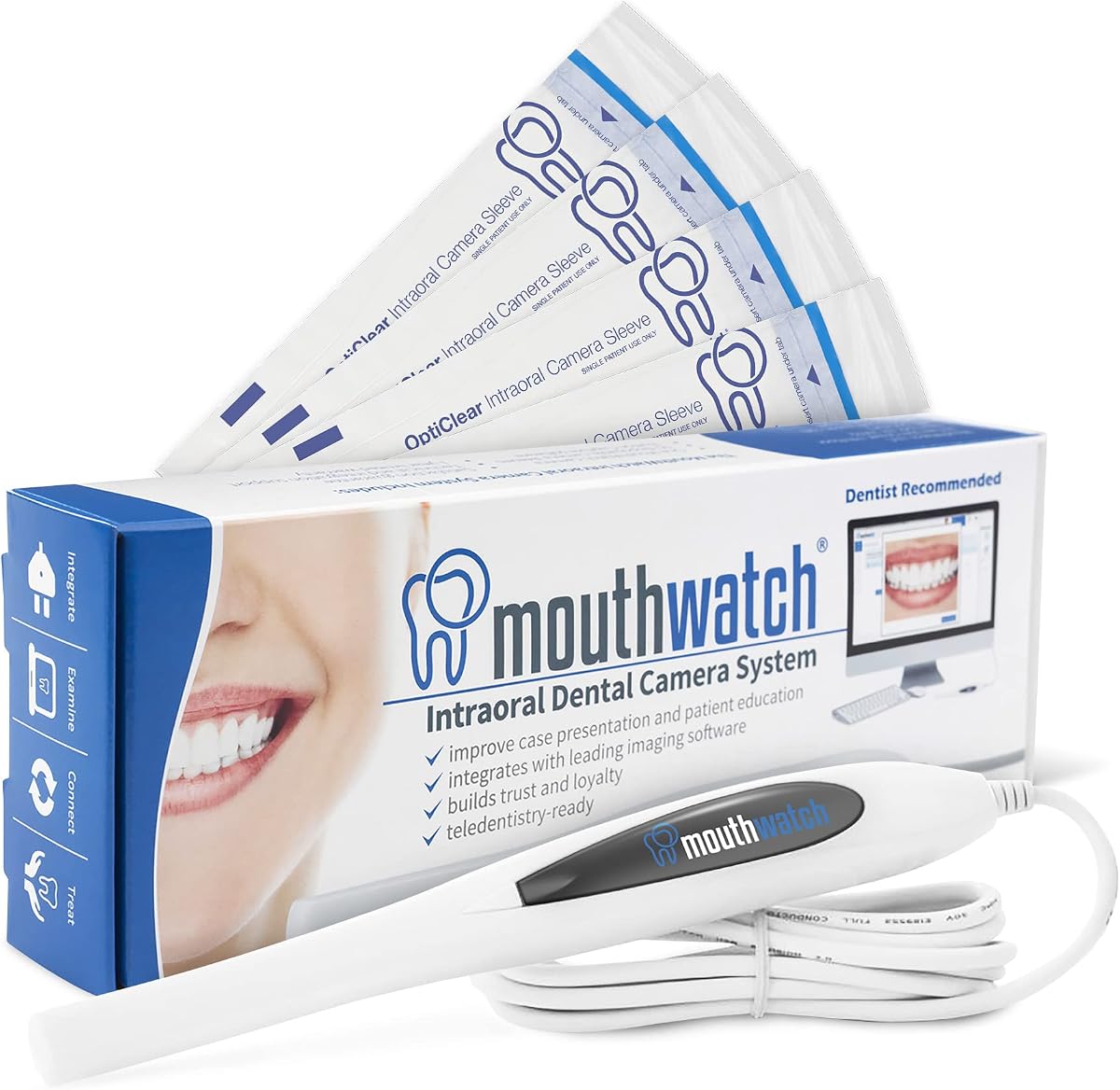
This intraoral dental camera is designed for efficiency and clarity with a 4.4 rating. It delivers sharp focused images without lag which helps patients understand treatment needs quickly. The single button operation streamlines clinical workflow significantly.
We may earn a commission when you buy through this link, at no additional cost to you.
The fixed focal distance eliminates manual focusing frustrations while the lightweight design allows easy maneuvering. It supports over fifty dental imaging suites ensuring compatibility with most practice management software. Integration typically takes less than five minutes.
While it focuses on intraoral photography rather than general clinical images the quality is high enough for case acceptance. The included proprietary capture software simplifies setup. Support teams assist with live chat or phone if needed.
Ideal for practices wanting fast clear patient photos without complex camera training. This device prioritizes speed and clarity which boosts case acceptance rates effectively. It remains a top choice for streamlined dental documentation.
Integration with major imaging solutions like Eaglesoft and Dexis ensures seamless workflow adoption without extensive technical training.
Crystal clear images help patients visualize treatment needs improving case acceptance rates through better understanding.
We may earn a commission when you buy through this link, at no additional cost to you.
This DSLR camera offers a 24.1 megapixel sensor ideal for detailed clinical photos. With a 4.6 rating it provides vibrant colors and sharp details even in lower light conditions. It includes built-in Wi-Fi for instant sharing.
We may earn a commission when you buy through this link, at no additional cost to you.
The optical viewfinder offers ninety five percent coverage for accurate framing. Wi-Fi and NFC allow quick transfers to smartphones or tablets for patient consultations. The DIGIC 4+ processor reduces noise and ensures clarity.
Users need to add macro lenses for dental specifics and external lighting. Manual focus may take practice compared to fixed focal intraoral cameras. However the lens flexibility supports broader photography needs.
Best for practitioners who want general photography skills alongside dental imaging. The high resolution ensures detailed records for lab communication. It balances performance with affordability effectively.
The 24.1MP APS-C CMOS sensor paired with the DIGIC 4+ processor delivers vibrant colors and sharp details for clinical documentation.
Built-in Wi-Fi and NFC functions enable effortless sharing of photos to smartphones for instant patient consultations.
We may earn a commission when you buy through this link, at no additional cost to you.
This bundle includes the Canon EOS Rebel T7 with essential accessories like a memory card and bag. It offers a 24.1 megapixel sensor suitable for high quality clinical images. The 4.6 rating reflects strong value for beginners.
We may earn a commission when you buy through this link, at no additional cost to you.
The camera handles low light well and connects wirelessly via Wi-Fi and NFC. It supports Canon EF and EF-S lenses allowing growth into macro photography. The bright optical viewfinder aids composition.
The included shoulder bag protects gear during transport and storage. While not dedicated to intraoral imaging it supports general dental photography. Setup requires adding external lighting and macro capabilities.
Ideal for new dentists or students needing a versatile kit. The included accessories save time and money. It supports skill growth while providing reliable image quality.
The bundle includes a 64GB memory card shoulder bag and strap reducing initial setup costs and effort.
Full compatibility with Canon EF and EF-S lenses allows expansion into macro photography for detailed work.
We may earn a commission when you buy through this link, at no additional cost to you.
This mirrorless camera features a 24.2 megapixel sensor and DIGIC X processor for stunning clarity. With a 4.5 rating it offers 4K video and up to 15 fps shooting. Advanced autofocus tracks subjects precisely.
We may earn a commission when you buy through this link, at no additional cost to you.
The Dual Pixel CMOS AF II covers 100% of the area with deep learning tracking. It excels in low light scenarios. Bluetooth and Wi-Fi enable easy file transfers to smart devices.
Video capabilities allow for patient education clips alongside still photos. The vari-angle touchscreen helps in awkward angles. It is heavier than intraoral cameras but more versatile.
Best for clinics investing in comprehensive digital documentation tools. The high resolution supports detailed analysis. It balances performance with modern connectivity needs.
Dual Pixel CMOS AF II with deep learning technology tracks people and animals automatically for sharp images.
6K oversampled 4K movie recording allows for high quality educational videos and patient communication.
We may earn a commission when you buy through this link, at no additional cost to you.
The Sony ZV-1 is designed with creators and offers a 1-inch sensor for crisp detail. With a 4.3 rating it captures vibrant professional grade results. It includes a flexible tripod and cleaning kit.
We may earn a commission when you buy through this link, at no additional cost to you.
The ZEISS lens provides stunning background blur and natural colors. Built-in audio isolation ensures clear voiceovers for patient education. USB-C connectivity enables direct live streaming.
It weighs under 300 grams making it highly portable. While not meant for inside the mouth it excels at macro and external views. The product showcase mode simplifies focus.
Ideal for clinics focused on video marketing or detailed external photography. The high quality sensor ensures clarity. It offers flexibility for various media needs.
The ZEISS Vario-Sonnar T lens captures crisp detail with stunning background blur for professional grade results.
A 3-capsule directional microphone isolates voices ensuring clear audio for educational videos.
We may earn a commission when you buy through this link, at no additional cost to you.
This camera captures every detail with an 88MP sensor and 8K video capabilities. It holds a 4.0 rating and focuses on entry-level content creation. It includes dual lenses and a large touchscreen.
We may earn a commission when you buy through this link, at no additional cost to you.
The quick autofocus locks in seconds for sharp images. WiFi transfer allows instant sharing via the iSmart DV2 app. Two high-capacity batteries provide extended shooting time.
Users benefit from 6-axis stabilization and multiple shooting modes. It is versatile for daily moments and travel. Dental specifics may need accessories but image quality is clear.
Suitable for practitioners needing a budget friendly versatile option. It supports general photography and video. Good for clinics testing high resolution needs.
An 88MP high-resolution sensor and 8K video capture every detail in stunning clarity.
WiFi transfer via the iSmart DV2 app makes sharing photos and videos instantly effortless.
We may earn a commission when you buy through this link, at no additional cost to you.
This camera delivers crystal clear pictures with ergonomic design for easy handling. It has a 4.5 rating and includes a capture button driver. It works with Eaglesoft Dexis and many others.
We may earn a commission when you buy through this link, at no additional cost to you.
The anti-fog non-spherical lens ensures clear images during use. It connects directly to a computer via USB without extra hardware. Integration takes minutes following clear instructions.
While resolution is lower than some options it provides necessary clarity for treatment. The automatic power-off function conserves energy. It supports Windows systems well.
Best for small clinics needing affordable reliable intraoral imaging. The included driver simplifies setup. It provides solid value for essential documentation.
Integration with over 20 North American imaging software ensures broad compatibility across practice systems.
Direct USB connection requires no other hardware making setup quick and straightforward.
We may earn a commission when you buy through this link, at no additional cost to you.
This camera offers 720P HD and 4X zoomable capabilities for detailed views. It holds a 4.3 rating and works with major imaging software. The capture button driver is included.
We may earn a commission when you buy through this link, at no additional cost to you.
It connects via Super Clear USB without needing a foot pedal. The driver ensures the button works in your software. It supports Windows systems well.
Users gain flexibility with zoom options. It integrates seamlessly into clinical workflows. Clear images help document patient needs effectively.
Best for those needing zoom features without high cost. It balances clarity and affordability well. Solid option for routine documentation.
The 4X zoomable feature allows for detailed views of specific areas inside the mouth.
Capture button driver is included to ensure seamless integration with your imaging software.
We may earn a commission when you buy through this link, at no additional cost to you.
This system delivers ultra-smooth high-definition visuals with an imported high-performance image chip. It includes a 17-inch touchscreen computer and supports WiFi QR photo transfer. It is designed for plug-and-play use.
We may earn a commission when you buy through this link, at no additional cost to you.
The integrated screen allows switching between full-screen and quad-split views. This helps compare before and after images. QR code functionality enables fast transfers to any device.
It minimizes setup and works well in clinics of all sizes. The slim intraoral camera improves workflow efficiency. It offers a unified view for presentations.
Best for clinics wanting an all-in-one solution. It supports patient communication. It streamlines documentation effectively.
The 17-inch touchscreen allows seamless switching between split views for efficient documentation.
WiFi QR code functionality allows transfer of patient photos to any device in seconds.
We may earn a commission when you buy through this link, at no additional cost to you.
This light aids in taking amazing pictures showing dental treatment results to patients. It features adjustable brightness and omni directional shooting. It holds a 4.6 rating for lighting quality.
We may earn a commission when you buy through this link, at no additional cost to you.
The support bar permits ideal views inside the mouth. It fits most cell phones and photography equipment. The unit is flexible and removable for angle adjustments.
It is packed in a convenient zip case for transport. The LED is long lasting and USB rechargeable. It meets all requirements for dental photography needs.
Best for those using phones for imaging needing professional light. It improves surface detail visibility. It is a valuable add-on for any clinic.
Fully adjustable brightness from zero to one hundred percent ensures optimal lighting for all situations.
The support bar permits omni directional shooting for ideal views inside the mouth.
We may earn a commission when you buy through this link, at no additional cost to you.
Selecting the right camera requires balancing image quality software compatibility and ease of use for your specific clinical workflow.
High resolution sensors capture fine details crucial for patient education and lab communication. Look for cameras offering at least 12 megapixels or dedicated intraoral resolutions like 1600×1200. Clear sharp images help patients visualize treatment needs effectively.
Prioritize cameras with fixed focal distances to avoid blur and lag during critical moments.
Ensure the camera works with your existing imaging software like Eaglesoft or Dexis. Check for included drivers or easy integration steps to avoid workflow disruptions. Compatible cameras save time during setup and daily use.
Verify compatibility lists before purchasing to guarantee seamless connection with your practice management system.
Clinical workflows demand speed and simplicity. One-button capture and ergonomic designs reduce strain during long appointments. Avoid complex setups that require multiple devices or external pedals if possible.
Choose models with intuitive interfaces that allow staff to take clear photos without extensive training.
Modern clinics benefit from Wi-Fi or wireless data transfer to patient records. Cameras with Bluetooth or QR transfer allow instant sharing without cables. This improves consultation speed and accuracy.
Look for USB connections that support direct transfer to computers for quick documentation.
Good lighting is essential for clear dental images. Some cameras include built-in LED lights while others require external kits. Adjustable brightness helps avoid glare and shadows.
Invest in cameras with sufficient illumination or pair with dedicated dental lighting kits for best results.
Consider long-term value when comparing prices. Intraoral cameras cost less than high-end DSLRs but serve a different purpose. Ensure the device meets your specific needs before spending.
Budget options often provide sufficient resolution for basic documentation while premium models offer advanced features.
Reliable customer support ensures quick resolution for technical issues. Look for lifetime or extended support options that include live chat or phone help. Clear setup instructions reduce frustration.
Choose brands with responsive teams that assist with integration and troubleshooting.
Some systems allow growth into broader photography like video or macro work. DSLRs and mirrorless cameras offer more flexibility than dedicated intraoral tools. Consider future needs when investing.
Select a system that can expand as your documentation requirements evolve over time.
Before each appointment ensure the camera is charged and connected to your system. Check the capture button drivers are active for seamless integration. Proper setup saves time during patient visits.
Clean the lens gently after use to prevent smudges or debris. Use soft cloths designed for optical surfaces to avoid scratches. Proper care maintains image clarity over years of use.
Store the device in a dry safe place when not in use. Protect cables from bending or tension. Regular maintenance ensures consistent performance.
The best choice depends on your needs. Dedicated intraoral cameras like the MouthWatch offer speed and ease while DSLRs provide flexibility. Consider software compatibility and resolution.
Most intraoral cameras come with proprietary software and drivers for integration. Many work directly with major dental platforms. Check compatibility before buying.
Yes especially with added lighting kits. Smartphone cameras have improved significantly but dedicated devices offer better optics and integration for clinical use.
Clean the lens after every use to maintain image quality. Use appropriate cloths and avoid harsh chemicals. Regular care prevents damage and ensures clarity.
At least 12 megapixels for DSLRs or 1600×1200 for intraoral is sufficient. High resolution helps capture fine details. Clear images aid patient understanding.
Intraoral cameras are faster and specialized. DSLRs offer versatility. Intraoral cameras are often preferred for daily clinical workflow.
Use direct USB connections or Wi-Fi features. Many cameras include software for seamless integration. Setup instructions vary by model.
A tripod helps with stability but handheld use is common. Intraoral cameras often do not need tripods. Lighting stability matters more than support.
Our top picks highlight the best balance of speed clarity and value. Whether you choose an intraoral system or a DSLR each option has unique strengths. The MouthWatch offers speed while DSLRs provide flexibility.
Prioritize software compatibility and ease of use for daily practice efficiency. Clear images boost patient trust and case acceptance. Investing in the right tool supports your clinical goals effectively.
Prices change frequently so verify current details before purchasing. This guide helps you select the best camera for dental photography by highlighting key features pros and cons from real product data.