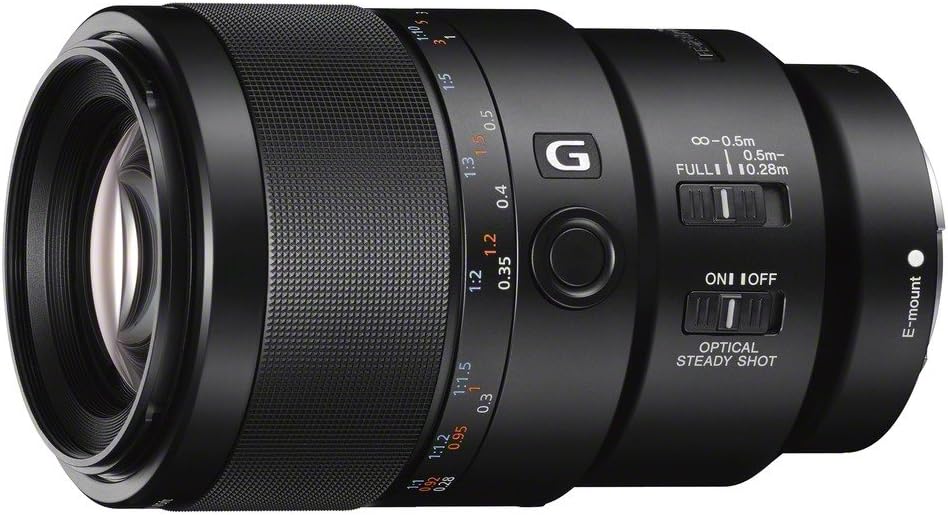
Sony FE 90mm F2.8 Macro G OSS Full-Frame Lens
4.6Editor score
Nano AR coating
Direct Drive SSM focus
Dust and moisture resistant
Discover the top Macro Lens for Insect Photography options for 2026. We compare features, optics, and value to help you capture stunning close-ups.
Capturing the intricate details of the natural world requires specialized equipment designed for extreme close-up work. A dedicated macro lens allows photographers to reveal textures and patterns invisible to the naked eye, transforming tiny subjects into stunning visual stories.
This guide evaluates ten distinct optical solutions ranging from affordable smartphone attachments to professional-grade mirrorless lenses. We analyzed optical construction, magnification capabilities, and compatibility to determine which tools deliver the sharpest results for insect subjects.
Each selection highlights unique strengths for different shooting scenarios and budget levels. While prices fluctuate frequently, our focus remains on performance and value. Click through to find the perfect lens that matches your specific photography goals and equipment.
4.6Editor score

4.7Editor score

4.6Editor score
The following table provides a side-by-side comparison of all ten selected lenses. It outlines key specifications and unique attributes to help you quickly identify the right tool for your specific camera system and shooting requirements.


The Canon RF100mm F2.8 L Macro IS USM Lens stands out as the premier choice for serious insect photographers using Canon RF mount cameras. With a rating of 4.7 stars, this lens is renowned for its ability to capture extraordinary detail at magnifications exceeding one-to-one.
We may earn a commission when you buy through this link, at no additional cost to you.
Its standout feature is the maximum magnification of 1.4x, allowing users to see minute textures on insect wings and exoskeletons without digital cropping. The Hybrid IS system compensates for both angular and shift shake, which is critical when working at such high magnification levels where camera movement is amplified.
The Spherical Aberration Control Ring offers a unique creative tool, enabling photographers to adjust the character of the bokeh in real time. While the price is higher than many alternatives, the optical performance and stabilization justify the investment for professionals seeking the highest fidelity images.
This lens is ideal for wildlife enthusiasts and professionals who need a dedicated tool for high-resolution macro work. If you prioritize image quality and magnification capability above all else, this lens delivers unmatched performance for capturing the unseen world of insects.
The 1.4x magnification allows for extreme close-ups that reveal details invisible to other standard macro lenses.
Hybrid IS ensures sharp images even when shooting handheld in challenging natural environments.
We may earn a commission when you buy through this link, at no additional cost to you.
Designed specifically for Sony E-Mount cameras, the Sony FE 90mm F2.8 Macro G OSS Full-Frame Lens is a powerhouse for professional insect photography. Its robust build and exceptional optical design make it a favorite among nature photographers who demand reliability and precision.
We may earn a commission when you buy through this link, at no additional cost to you.
The lens features a dust and moisture resistant design, essential for outdoor shoots where weather conditions can be unpredictable. Nano AR coating effectively suppresses reflections, ensuring high contrast and color accuracy even when shooting in bright sunlight or harsh glare.
While the weight of 602 grams might be a consideration for travel, it contributes to the lens durability and balance on larger camera bodies. The DDSSM motor provides silent and precise focusing, allowing for delicate adjustments when approaching shy insect subjects.
This lens is best suited for professionals who need a durable, high-performance tool for diverse shooting environments. The optical sharpness and resistance to elements make it a worthy investment for those seeking a long-term solution for macro photography.
Weather sealing protects the optics in rain and dust, ensuring longevity in the field.
DDSSM technology ensures quiet operation that does not disturb delicate subjects during focus.
We may earn a commission when you buy through this link, at no additional cost to you.
The FotoZ Macro Conversion Lens offers an accessible entry point for photographers interested in macro work without the high cost of a dedicated prime lens. With a high rating of 4.6, it provides a practical solution for transforming existing lenses into close-up tools.
We may earn a commission when you buy through this link, at no additional cost to you.
This accessory features a multi-coated glass design that helps control distortion and improve light transmission compared to uncoated options. The spring-loaded adapter allows for a tool-free snap-on design, making it quick to attach and detach when switching between macro and normal photography.
Although it may not match the optical precision of premium lenses, the versatility across 37mm to 72mm threads makes it incredibly convenient. It is particularly useful for casual shooters who want to experiment with insect photography before committing to more expensive gear.
Ideal for hobbyists and travelers, this lens delivers surprising clarity for its price. It is a practical choice for capturing flowers, insects, and small objects when budget constraints are a primary concern.
Achieves close-up results without the need to purchase a full dedicated macro lens.
Compatible with a wide range of lens sizes via included adapter rings.
We may earn a commission when you buy through this link, at no additional cost to you.
The TTARTISAN 40mm f/2.8 Macro Lens is designed for photographers who value manual control and solid build quality. Compatible with a wide range of Sony E-Mount cameras, it offers a robust manual focusing experience that many enthusiasts prefer for close-up work.
We may earn a commission when you buy through this link, at no additional cost to you.
Featuring an all-metal construction and a weight of just 13.1 ounces, this lens is both durable and travel-friendly. The 1:1 magnification ratio allows for true life-size reproduction of subjects, making it effective for detailed insect photography where accuracy matters.
The F2.8 aperture provides a creamy bokeh effect that helps isolate subjects from busy backgrounds. While the manual focus might take time to master, it allows for precise adjustments that can be crucial when dealing with small moving targets like insects.
This lens is best suited for intermediate users comfortable with manual focus techniques. It offers excellent value for those seeking a dedicated macro lens with professional build quality at a mid-range price point.
Focus ring allows exact adjustments for sharp subject details without automatic hunting.
All-metal body ensures the lens can withstand the rigors of outdoor nature shooting.
We may earn a commission when you buy through this link, at no additional cost to you.
The AstrHori 25mm F2.8 2-5X Ultra Macro Lens is engineered for photographers who need extreme magnification capabilities. Designed for Sony E-Mount systems, it pushes the boundaries of standard macro work by offering a range from 2:1 to 5:1 magnification.
We may earn a commission when you buy through this link, at no additional cost to you.
This lens excels at capturing imagery that surpasses life-size proportions, making it perfect for intricate details like insect eyes or tiny hairs. The wide-angle configuration helps optimize the depth of field at high magnifications, providing sharper focus across the subject.
It is important to note that this lens does not support infinity focus, meaning it is strictly for close-up applications. This specialization allows for better optical performance within its limited range but limits its use as a general-purpose lens.
Ideal for specialized macro enthusiasts, this lens provides a high magnification solution without a premium price tag. It is a fantastic choice for those who already have a general lens and want to explore extreme close-up photography.
The 5x magnification allows for detailed views that usually require microscope photography.
Optimized for macro use only to ensure sharpness and performance at close distances.
We may earn a commission when you buy through this link, at no additional cost to you.
The Xenvo Pro Lens Kit is a comprehensive solution for mobile photographers who want to explore macro capabilities without carrying heavy camera gear. Compatible with almost all smartphones, it includes a 15x macro lens along with a wide-angle option for versatile shooting.
We may earn a commission when you buy through this link, at no additional cost to you.
A standout feature of this kit is the GlowClip rechargeable LED light, which provides continuous illumination for subjects. This is particularly useful for insect photography where low light or shadows can obscure details, ensuring your subject is well-lit in any environment.
The kit also comes with a durable case and lanyard, making it convenient to transport on outdoor expeditions. While it may not match the resolution of dedicated lenses, it is an excellent way to start experimenting with close-up photography using devices you already own.
This kit is perfect for casual users, students, or hobbyists who want a complete package in a budget-friendly price. It removes barriers to entry for mobile photography and encourages creativity with the camera you carry every day.
The included LED light solves the common problem of poor lighting in shadowy natural settings.
Everything needed for outdoor photography including clip, lens, light, and case is included.
We may earn a commission when you buy through this link, at no additional cost to you.
The APEXEL 100Ultra Macro Lens is designed to turn modern smartphones into powerful macro cameras capable of capturing intricate details. With a 10X magnification and an F1.05 aperture, it allows for high-quality close-up shots even in challenging lighting conditions.
We may earn a commission when you buy through this link, at no additional cost to you.
This lens features a lossless magnification technology that aims to preserve clarity while zooming in on small subjects like insects. The universal clip-on design ensures compatibility with a wide range of smartphones, making it a versatile tool for mobile photographers.
The large aperture helps in managing low-light conditions effectively, which is often a hurdle when shooting indoors or in shaded areas. It provides a convenient way to upgrade your mobile photography without needing complex setups or additional gear.
Ideal for smartphone enthusiasts, this lens offers a significant boost in capability for a reasonable investment. It is a great choice for those who want to capture stunning macro photos on the go using their existing device.
Allows you to shoot from a distance, reducing the risk of scaring away insects.
Multi-lens combination ensures high light transmittance and minimal reflection for sharper images.
We may earn a commission when you buy through this link, at no additional cost to you.
The ULANZI CL-003 Phone Macro Lens brings a professional aesthetic and build quality to smartphone photography. Constructed with aluminum alloy and featuring a 75mm focal length, it offers a premium feel that matches high-end optical tools.
We may earn a commission when you buy through this link, at no additional cost to you.
Its 10x optical magnification highlights millimeter details, making it suitable for capturing the complex structures of insects and flowers. The design mimics professional DSLR lenses, providing a tactile experience that appeals to serious mobile photographers.
Installation is flexible with a universal 17mm adapter, allowing for quick screwing onto compatible cases or rabbit cages. This system offers stability and ease of use that clips often lack, ensuring the lens remains secure during active shooting.
This lens is a great choice for those who value build quality and a professional look. It bridges the gap between casual phone accessories and serious optical equipment, offering high-definition results for detailed macro work.
Non-slip texture and durable aluminum feel provide a premium handling experience.
Allows control of shooting distance like a DSLR for more versatile composition.
We may earn a commission when you buy through this link, at no additional cost to you.
The Canon RF35mm F1.8 is Macro STM Lens is an ideal option for photographers seeking a versatile and compact lens. With a 0.5x magnification ratio and a short minimum focusing distance, it is capable of capturing small details on insects and plants.
We may earn a commission when you buy through this link, at no additional cost to you.
Its lightweight design makes it a great travel companion, allowing you to shoot handheld for extended periods without fatigue. The optical stabilization provides up to 5 stops of shake correction, which is essential for maintaining sharpness in handheld macro photography.
The F1.8 aperture enables shooting in lower light conditions compared to standard macro lenses, offering more flexibility during golden hours or cloudy days. The control ring allows for direct setting changes, streamlining the workflow while you are on the field.
This lens is best for photographers who want a do-it-all lens that excels at macro tasks without being too large. It is a solid choice for casual and semi-professional use where portability and ease of use are key priorities.
Lightweight body ensures you can carry it everywhere without adding bulk to your bag.
The F1.8 aperture allows for better low-light performance than typical macro lenses.
We may earn a commission when you buy through this link, at no additional cost to you.
The 67mm Close-up Filter Kit offers an affordable way to experiment with macro photography using your existing DSLR or mirrorless camera. It includes four filter strengths that can be used individually or stacked to create custom magnification levels.
We may earn a commission when you buy through this link, at no additional cost to you.
With a double-threaded design, these filters allow you to stack additional optics like polarizers or skylight filters on top. This versatility makes it a handy tool for photographers who want to achieve specific creative looks without buying new hardware.
While not as precise as a dedicated macro lens, these filters provide a convenient method for capturing small details on insects and jewelry. They are particularly useful for those who want a quick setup that does not require lens changes.
This kit is best for beginners or travelers who want to try macro photography without a significant investment. It is a practical accessory to keep in your camera bag for unexpected close-up opportunities.
Combining filters allows for higher magnification levels to suit different subjects.
Includes pouch and lens cap for organized storage and protection during travel.
We may earn a commission when you buy through this link, at no additional cost to you.
Selecting the right macro lens requires understanding your camera system and specific needs. This guide breaks down the essential factors to consider before making a purchase.
Magnification ratio determines how large your subject appears on the sensor. A 1:1 ratio means the subject is life-size on the sensor, while ratios higher than 1:1 offer even greater detail. For insect photography, a ratio of at least 1:1 is recommended to capture fine textures and patterns.
Look for lenses that offer true macro magnification to ensure you can get close enough to reveal the details you want in your images.
Focal length affects how far away you can be from your subject. Shorter focal lengths like 50mm or 60mm require you to get very close, which may disturb skittish insects. Longer focal lengths like 90mm or 100mm provide more working distance while maintaining the same magnification.
For insect photography, a focal length between 90mm and 100mm is often ideal as it balances working distance with portability.
Optical image stabilization (OIS) or vibration reduction (VR) is crucial for handheld macro photography. At high magnifications, even the slightest camera shake can result in blurred images. Lenses with built-in stabilization allow you to shoot at slower shutter speeds without a tripod.
Prioritize lenses with stabilization if you plan to shoot handheld, especially in natural settings where tripods may be cumbersome.
The maximum aperture determines how much light the lens can gather and the depth of field you can achieve. A wider aperture like f/2.8 allows for more light and shallower depth of field, helping to isolate subjects. However, macro photography often requires stopping down for more focus.
Choose a lens with a reasonably wide aperture to maintain flexibility in varying light conditions.
Insect photography often takes place outdoors in dusty or damp environments. A lens with dust and moisture resistance will protect the internal elements and ensure longevity. Metal construction also adds durability against bumps and drops in the field.
Check for weather sealing if you frequently shoot in challenging outdoor conditions.
Ensure the lens is compatible with your specific camera mount. Mirrorless cameras have different mount requirements compared to DSLRs. Adapting a lens from one system to another may result in reduced functionality or performance.
Always verify the mount type before purchasing to ensure full compatibility with your camera body.
While manual focus is preferred for precision in macro work, autofocus can be helpful when dealing with moving insects. A fast and quiet motor helps in capturing fleeting moments without disturbing the subject with noise.
Look for lenses with reliable autofocus systems if you anticipate shooting active subjects.
Macro lenses range from affordable clip-ons to expensive professional optics. Decide on your budget early to narrow down options. While high-end lenses offer better optics, entry-level options can still provide decent results for casual work.
Balance your budget with the features you need to find the best value for your specific use case.
To get the best results, focus carefully by adjusting the distance between the lens and the subject rather than relying solely on autofocus. Use a tripod when possible to ensure sharp images and allow for lower ISO settings.
Clean your lens regularly with a microfiber cloth and lens cleaning solution to remove dust and fingerprints that can affect image quality. Store the lens in a dry place to prevent mold growth on the glass.
When shooting insects, be patient and move slowly to avoid startling them. Use the natural light of the early morning or late afternoon for the best colors and soft shadows.
A 1:1 magnification ratio is generally considered the standard for macro photography as it allows you to capture a subject at life-size on the sensor. For more intricate details, lenses offering 1.4x or 2:1 magnification are ideal.
Yes, there are clip-on macro lenses designed specifically for smartphones. These attach to your phone camera and provide magnification, though they may not match the optical quality of dedicated camera lenses.
A tripod is highly recommended for macro photography to prevent camera shake and ensure sharpness. However, lenses with stabilization can allow for handheld shooting in certain conditions.
An aperture between f/8 and f/11 is often a sweet spot for insect photography. It provides enough depth of field to keep the entire subject in focus while maintaining sharpness across the image.
Look for lenses with dust and moisture sealing. Using lens hoods and protective filters can also help shield the front element from rain and debris in the field.
Manual focus is often preferred for macro photography because it allows for precise control over focus distance. Autofocus can struggle at close ranges but is useful for tracking moving insects.
We have explored ten top options ranging from premium professional lenses to affordable smartphone attachments. Each offers unique strengths to suit different budgets and camera systems, ensuring there is a suitable tool for every photographer.
When making your choice, prioritize features like magnification ratio and working distance that align with your specific insect photography goals. The right lens will unlock the hidden beauty of the miniature world around you.
Remember to check current availability and pricing on Amazon for the most accurate details. Investing in the right optics can transform your photography experience and lead to stunning results.