
Windows 11 Laptop with i3 Processor 15.6" Work Laptop for College Students
4.5Editor score
Intel Core i3 processor
12GB RAM memory
Full HD anti-glare display
Engineering students require reliable machines that can handle demanding software like CAD, MATLAB, and coding environments without slowing down during critical deadlines or project submissions.
We analyzed ten real-world options ranging from budget-friendly essentials to high-performance workstations, evaluating processors, memory, storage, and display quality for academic workloads.
Each pick highlights key strengths and potential trade-offs so you can find a device that fits your curriculum needs, noting that prices and availability may change over time.
4.5Editor score

4.6Editor score

4.6Editor score
As an Amazon Associate we earn from qualifying purchases.
The following comparison table provides a side-by-side overview of all ten laptops, highlighting their core specifications to help you quickly identify which model suits your engineering coursework and budget requirements.


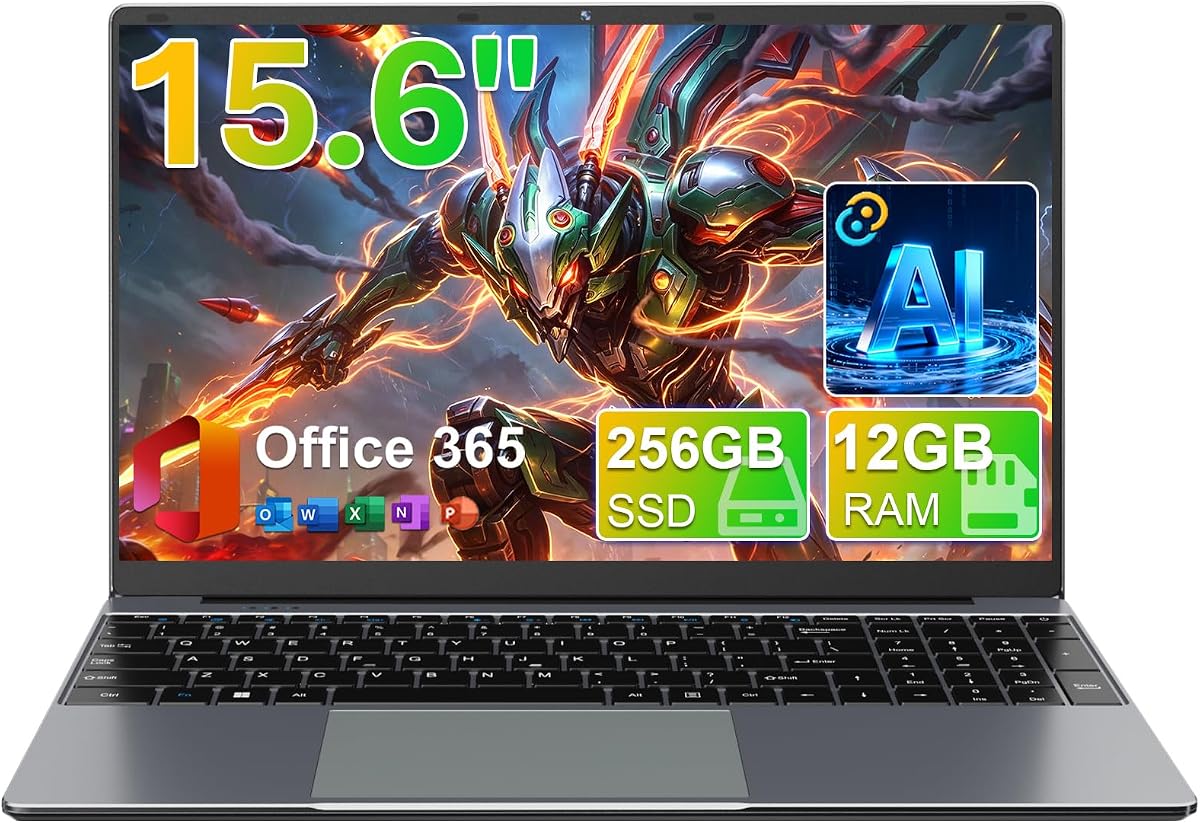


This budget-friendly option delivers solid performance for students who need to run standard engineering software without breaking the bank. It carries a strong rating thanks to its balance of speed and portability.
We may earn a commission when you buy through this link, at no additional cost to you.
The Intel Core i3 processor paired with 12GB of RAM ensures that switching between design tools and browsers remains smooth. The anti-glare screen reduces eye strain during long study sessions in the library.
While the 256GB storage might fill up quickly with large project files, the SD card slot allows for easy expansion. Integrated graphics can handle basic 2D tasks but may struggle with heavy 3D rendering.
If your coursework focuses on coding or basic CAD without heavy simulations, this laptop provides exceptional value. It is an ideal choice for students prioritizing portability and cost over raw processing power.
The 12GB of memory is a standout feature at this price, allowing you to run multiple browser tabs and development environments simultaneously without significant slowdowns.
Weighing just 3.6 pounds with a thin profile, this device slips easily into a backpack for students moving between classes and study halls throughout the day.
We may earn a commission when you buy through this link, at no additional cost to you.
This HP model is designed for students who need reliable everyday computing for research and document editing. The inclusion of Office 365 adds immediate value for productivity tasks required in coursework.
We may earn a commission when you buy through this link, at no additional cost to you.
The Intel Processor N150 handles standard tasks efficiently, and the WiFi 6 support ensures stable connections in crowded campus networks. The laptop weighs only 3.24 pounds, making it easy to carry.
The 128GB storage is quite limited for engineering projects, so you will likely need cloud storage or external drives. The HD resolution is functional but not ideal for detailed visual work.
It serves well as a secondary machine for students who already have a powerful desktop for heavy lifting. Its focus on basic productivity and portability makes it suitable for writing reports and attending online lectures.
The included one-year Office 365 subscription covers Word, Excel, and PowerPoint, ensuring you have the necessary tools for group projects and assignments from day one.
With WiFi 6 and Bluetooth included, connecting to projectors and wireless peripherals is seamless during presentations or collaborative study sessions in common areas.
We may earn a commission when you buy through this link, at no additional cost to you.
This device offers a unique mix of high memory and storage at a low price point. It is particularly useful for students who need to store many files but do not require heavy processing power.
We may earn a commission when you buy through this link, at no additional cost to you.
The 16GB of RAM allows for smooth multitasking even when running multiple applications, while the docking station provides extra space for project backups. Office 365 is included for immediate productivity.
The Celeron processor is not suitable for demanding engineering simulations or complex programming tasks. The display resolution is lower than ideal for reading detailed technical diagrams or spreadsheets.
Consider this if your primary need is data storage and basic web work. It works best as a companion device for note-taking and file management rather than a primary workstation for complex calculations.
The combination of 64GB internal storage and a 1TB docking station means you will rarely run out of space for large datasets and multimedia files.
Having 16GB of RAM is rare at this price level, ensuring that background applications do not slow down your workflow during important study sessions.
We may earn a commission when you buy through this link, at no additional cost to you.
This laptop is designed for students who prioritize basic tasks like note-taking and browsing. It offers a simple computing experience without unnecessary features that drive up the price.
We may earn a commission when you buy through this link, at no additional cost to you.
The N150 processor handles web browsing and document editing with ease. The anti-glare display helps reduce eye strain during long hours in the library or classroom.
The 4GB RAM might limit your ability to run several heavy applications at once. Storage is also minimal, requiring reliance on cloud services for larger engineering files.
Ideal for those who primarily use a laptop for research and writing. If you need to run specialized software often, you may want to consider a model with more memory and storage.
At just 3.24 pounds, this laptop fits easily into a backpack, allowing you to take it anywhere on campus without feeling weighed down.
The battery life supports full days of classes without needing to find a power outlet, which is convenient for long study sessions away from home.
We may earn a commission when you buy through this link, at no additional cost to you.
This model stands out with an integrated AI assistant that can help with writing and daily tasks. The 15.6 inch FHD IPS screen provides better color accuracy for viewing diagrams and spreadsheets.
We may earn a commission when you buy through this link, at no additional cost to you.
The 12GB RAM supports smooth multitasking while the Celeron processor handles light coding and web tasks. The hinge opens flat to 180 degrees, useful for sharing the screen during group work.
The processor is not powerful enough for heavy engineering simulations or gaming. Connectivity is standard but lacks some advanced ports found in higher-end models for peripheral expansion.
Good for students who need a balance of screen quality and memory on a budget. The AI tools can assist with documentation and email drafting, improving efficiency for administrative coursework.
The IPS panel ensures consistent colors from wide angles, making it easier to share your screen with classmates during collaborative sessions without distortion.
The built-in AI assists with writing and reading tasks, simplifying daily chores and allowing you to focus more on complex engineering concepts.
We may earn a commission when you buy through this link, at no additional cost to you.
This device focuses on productivity with AI tools like Copilot to assist with content creation and research. It is designed for students who need reliable performance for general academic tasks.
We may earn a commission when you buy through this link, at no additional cost to you.
The Intel N150 processor supports web browsing and document editing well. The lightweight design makes it easy to transport across campus while the battery life supports long days.
Memory and storage are limited compared to other options which may require cloud reliance for larger files. The HD display is functional but not ideal for detailed visual work.
A solid choice for business and basic engineering students focused on productivity. The AI features can help draft reports quickly, saving time for more complex coursework and projects.
The Copilot AI Key provides instant access to intelligent assistance, helping you draft emails and manage research tasks more efficiently throughout the day.
The slim profile and light weight ensure that carrying your laptop between lectures never becomes a burden, allowing you to focus on your studies.
We may earn a commission when you buy through this link, at no additional cost to you.
This Lenovo laptop is built for serious engineering students who need to run demanding software. The combination of an i7 processor and 24GB RAM handles simulations and coding environments effortlessly.
We may earn a commission when you buy through this link, at no additional cost to you.
The 1TB NVMe SSD offers lightning fast file access and ample space for large project files. Durability features like MIL-STD-810H testing ensure it can withstand the rigors of daily campus use.
The higher price might be a barrier for some budgets but the performance justifies the investment for those in heavy workload majors. It is slightly heavier than ultra-portable models.
Ideal for mechanical or civil engineering students requiring robust compute power. This machine will likely last throughout your degree without needing upgrades for performance bottlenecks.
The 13th Gen i7 processor delivers exceptional multitasking power, ensuring smooth performance even when running complex calculations alongside other applications.
Military grade testing guarantees reliability against shocks and drops, providing peace of mind for students moving the laptop daily between classes.
We may earn a commission when you buy through this link, at no additional cost to you.
This HP notebook offers a blend of modern features and affordability for students. It includes Copilot AI tools to assist with writing and research tasks efficiently.
We may earn a commission when you buy through this link, at no additional cost to you.
The N150 processor handles daily tasks well and the WiFi 6 connectivity ensures stable internet in crowded areas. The anti-glare screen helps reduce eye strain during long study sessions.
Storage and memory are limited which may require you to use cloud services for larger files. The display is functional but not optimized for high precision visual work.
A good option for those focused on administrative tasks and general coursework. The AI features enhance productivity, making it easier to manage daily assignments and communications.
WiFi 6 ensures fast and reliable internet connections, which is crucial for online classes and downloading large project files quickly.
Integrated AI tools help automate repetitive writing tasks, allowing you to spend more time on core engineering concepts and problem solving.
We may earn a commission when you buy through this link, at no additional cost to you.
This Dell laptop balances performance and usability with an i5 processor suitable for a range of engineering tasks. The screen technology reduces blue light for comfortable extended viewing.
We may earn a commission when you buy through this link, at no additional cost to you.
The ergonomic design supports comfortable typing during long coding sessions or report writing. Onsite service provides reliable support for hardware issues, ensuring minimal downtime.
While efficient it may not offer the same raw power as higher end models with more RAM. The price is higher than basic options but offers better build quality and service.
Best for students needing reliable daily performance without premium costs. The ComfortView feature is a great addition for those spending long hours on screen working on technical documents.
Lifted hinges provide an optimal typing angle, reducing wrist strain during long study sessions and improving overall comfort for daily use.
Dell ComfortView software reduces harmful blue light emissions ensuring your eyes remain comfortable even after long periods of reading or coding.
We may earn a commission when you buy through this link, at no additional cost to you.
This HP laptop offers an exceptional workspace with its large screen and ample memory. It combines business grade features with student friendly tools for a versatile learning experience.
We may earn a commission when you buy through this link, at no additional cost to you.
The Ryzen 5 processor delivers strong performance for multitasking and data analysis. The 17.3 inch display allows you to view large spreadsheets and diagrams without constant zooming.
While the size makes it less portable than smaller options it provides a superior viewing experience. The Copilot AI key helps streamline workflow management and content creation tasks.
Ideal for students who prioritize screen real estate and memory over portability. It serves as a powerful primary device for detailed work where a larger display is beneficial.
The 17.3 inch screen offers significantly more room for multitasking, allowing you to keep reference materials and work windows open simultaneously.
The dedicated Copilot AI key provides instant access to intelligent assistance for drafting emails and managing workflows efficiently.
We may earn a commission when you buy through this link, at no additional cost to you.
Selecting the right laptop for engineering studies involves balancing performance needs with portability and budget. Here are key factors to consider before making your purchase.
Engineering software often requires a robust processor to handle simulations and complex calculations efficiently. Look for at least a mid-range multi-core CPU to ensure smooth performance.
Prioritize processors with multiple cores and threads for better multitasking capabilities.
RAM is crucial for running multiple applications at once without slowing down. Engineering tasks often consume significant memory resources for data processing.
Aim for a minimum of 12GB or 16GB of RAM to maintain system responsiveness.
Large project files and software installations need ample storage space. SSDs provide faster access times compared to traditional hard drives.
Ensure you have at least 512GB of storage or plan to use external drives regularly.
A high-resolution screen with good color accuracy helps when viewing technical diagrams and spreadsheets. Anti-glare coatings reduce eye strain during long study sessions.
Choose Full HD resolution or higher for clarity and visual comfort.
Students often move between classes and libraries so weight matters for daily carrying. A lighter laptop reduces strain on your backpack and shoulders.
Consider models under 4 pounds if you carry your device frequently throughout the day.
Long battery life ensures you can work through lectures and study sessions without needing a charger. This is vital for days when outlets are scarce.
Look for laptops that promise at least 8 hours of real world usage time.
Engineering students often need to connect to external monitors or peripherals for projects. A variety of ports like USB-C HDMI and SD card slots add versatility.
Ensure the laptop has the specific connectors you need for your lab or classroom setup.
Some engineering software runs best on specific operating systems. Windows is generally the most compatible with industry standard tools used in coursework.
Check software requirements for your major to ensure full compatibility before buying.
To maintain performance keep your software updated and manage storage regularly. Use external drives or cloud services to archive large project files that are not currently active.
Protect your device from physical damage by using a padded case when transporting it. Avoid placing heavy objects on top of the laptop in your backpack to prevent screen cracks.
Clean the keyboard and screen with appropriate microfiber cloths to remove dust and oils. Ensure ventilation ports are free from debris to prevent overheating during intensive tasks.
For most engineering disciplines 16GB of RAM is recommended to handle multitasking and heavy applications smoothly. If your coursework involves complex simulations consider 24GB or more to ensure long term performance.
While integrated graphics can handle basic CAD tasks a dedicated GPU is beneficial for 3D modeling and rendering. However for general coursework a strong CPU and sufficient RAM are often more critical for performance.
A larger screen provides more workspace for viewing diagrams and multiple windows which can improve productivity. However it may reduce portability so choose a size that balances your need for screen real estate with mobility.
Engineering projects can generate large files so at least 512GB of SSD storage is advisable. If you plan to store many large datasets locally consider a model with 1TB or plan to use external drives.
Budget laptops are suitable for basic coursework like coding and report writing. However for demanding simulations or rendering you may need to invest in a higher performance model to avoid slowdowns.
Windows is the most widely supported operating system for engineering software and tools. While some tools work on macOS compatibility varies so check your program requirements before choosing a non Windows device.
Battery life is crucial for students who attend long days of lectures and study sessions without access to power outlets. A laptop offering 8 hours or more ensures you can work uninterrupted throughout the day.
CPU is generally more important for calculations and simulations that drive most engineering tasks. However if your coursework involves heavy visual rendering a balanced approach with a decent GPU is also necessary.
This guide presented ten options ranging from budget friendly devices to high performance workstations to suit various student needs and financial situations.
Prioritize memory and processor speed if your major involves complex simulations while consider screen size and battery life for daily usability and portability.
Remember to check current prices and availability as these numbers may change so take a moment to compare the latest offers before making your final decision.